
BROWSE PRODUCTS BY MATERIAL
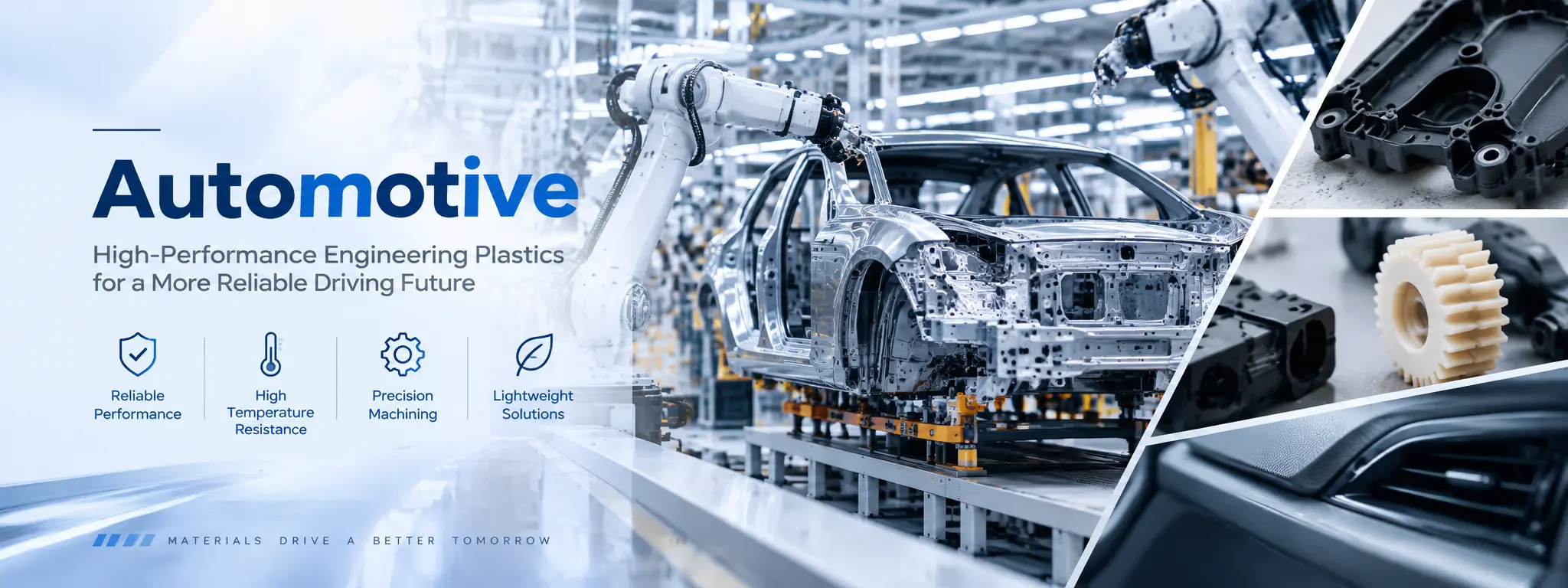
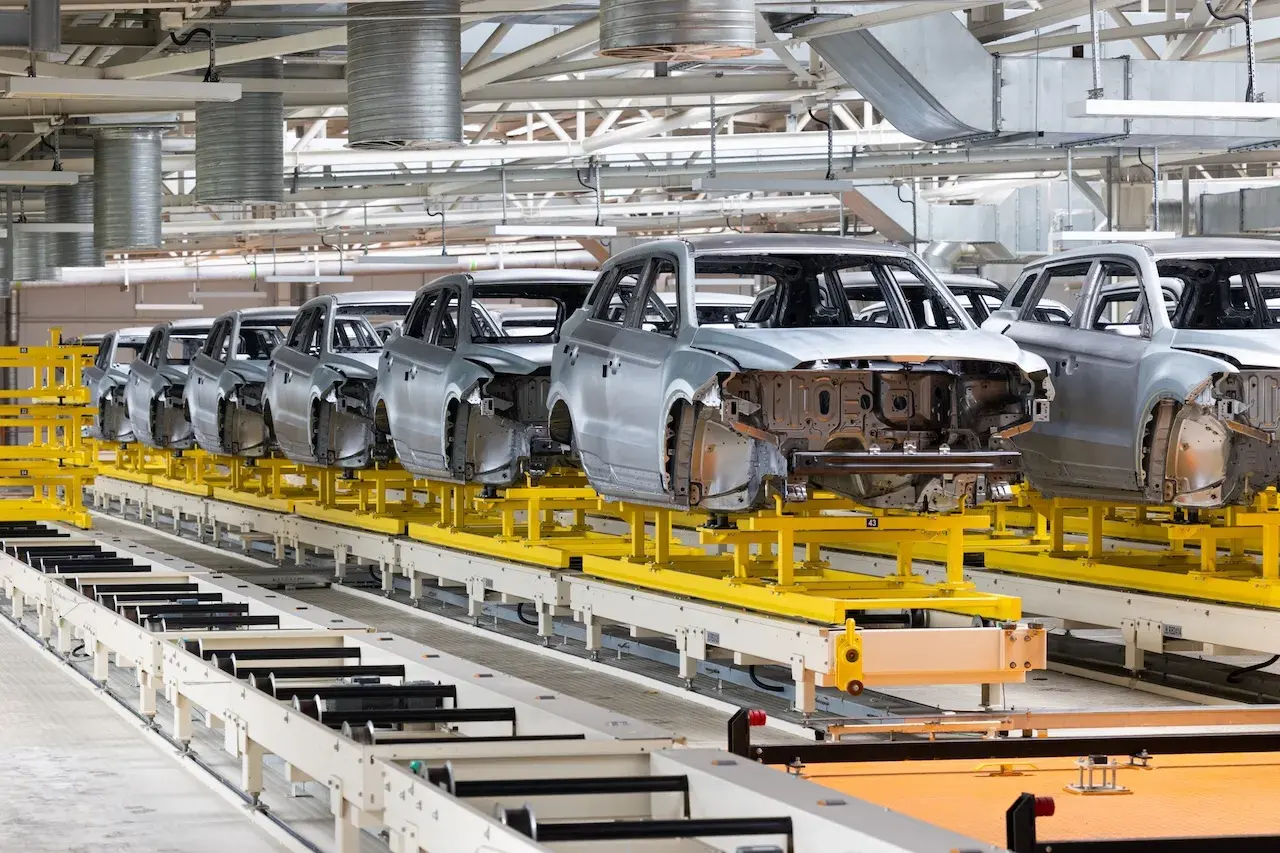

MATERIALS FOR MOTION, LOAD AND PRECISION
Supporting Selected Automotive Parts and Manufacturing Equipment.
Automotive components can face repeated movement, vibration, changing temperatures, fuels, oils, cleaning agents and tight dimensional requirements.
Engineering plastics offer combinations of low weight, machinability, wear resistance, low friction, insulation and chemical resistance for selected mechanical and electrical parts.
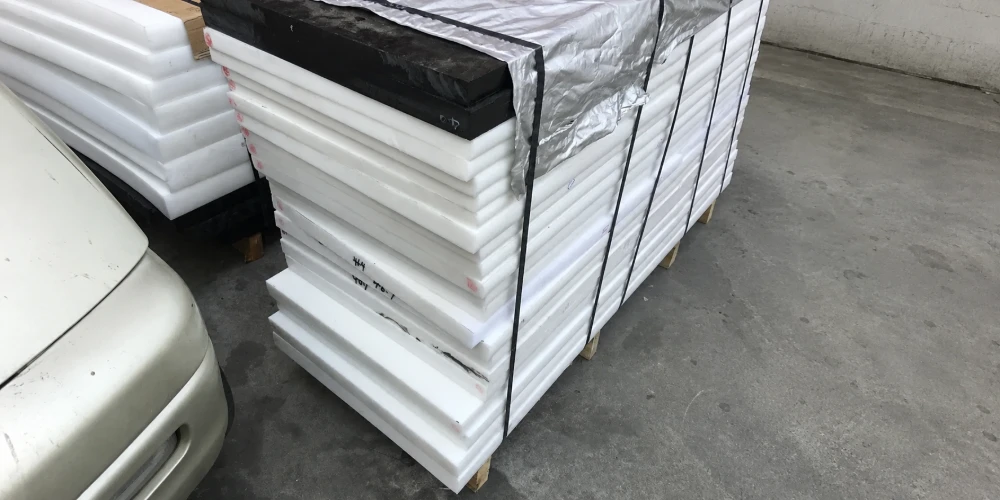
ZERO supplies semi-finished rods and sheets for further CNC machining. Final material selection must be confirmed against the component design, load, environment and applicable automotive requirements.
AUTOMOTIVE PERFORMANCE REQUIREMENTS
Properties That Guide Automotive Material Selection.
The correct balance depends on where the part is installed and how it moves, loads and ages in service.
Wear Resistance
Support repeated sliding, rotation and contact in moving mechanical parts.
Low Friction
Reduce friction and support smooth movement in guides, bushings and bearings.
Dimensional Stability
Maintain functional dimensions across temperature, moisture and mechanical load.
Temperature Capability
Retain useful properties near heat-generating systems and under changing temperatures.
Fluid & Chemical Resistance
Consider exposure to oils, fuels, coolants, cleaners and road-related chemicals.
Electrical Insulation
Provide dielectric separation in selected electrical and electronic assemblies.
TYPICAL COMPONENTS
Machined Engineering Plastic Parts for Automotive Use.
These examples illustrate potential applications. Final design and material approval remain the responsibility of the component manufacturer.
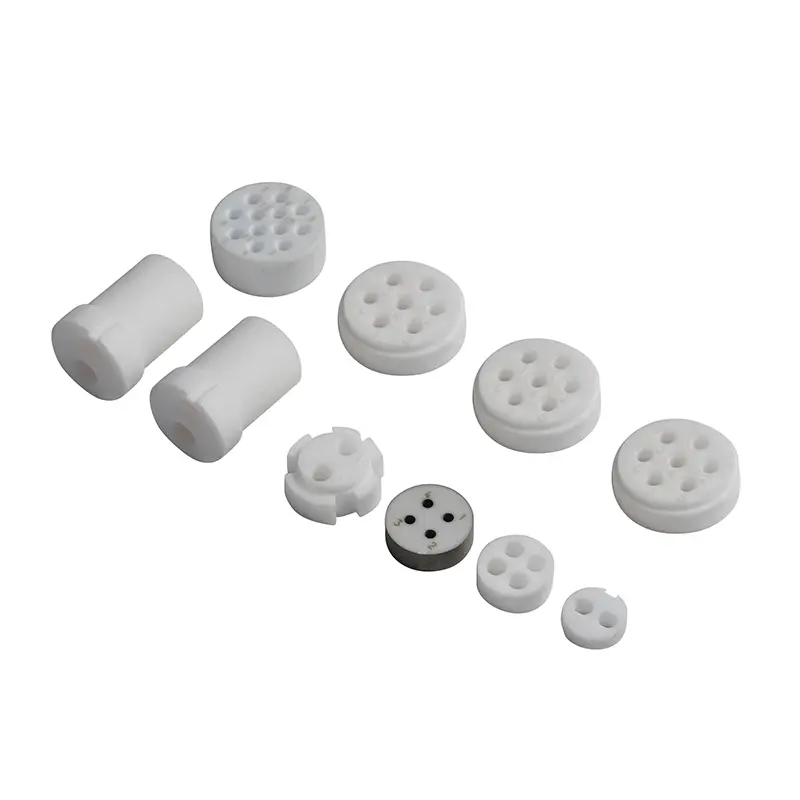
01 / MOTION
Gears & Sprockets
Precision-machined parts requiring wear resistance and controlled friction.
02 / SUPPORT
Bushings & Bearings
Low-friction supports for shafts, pivots and repeated movement.
03 / SEALING
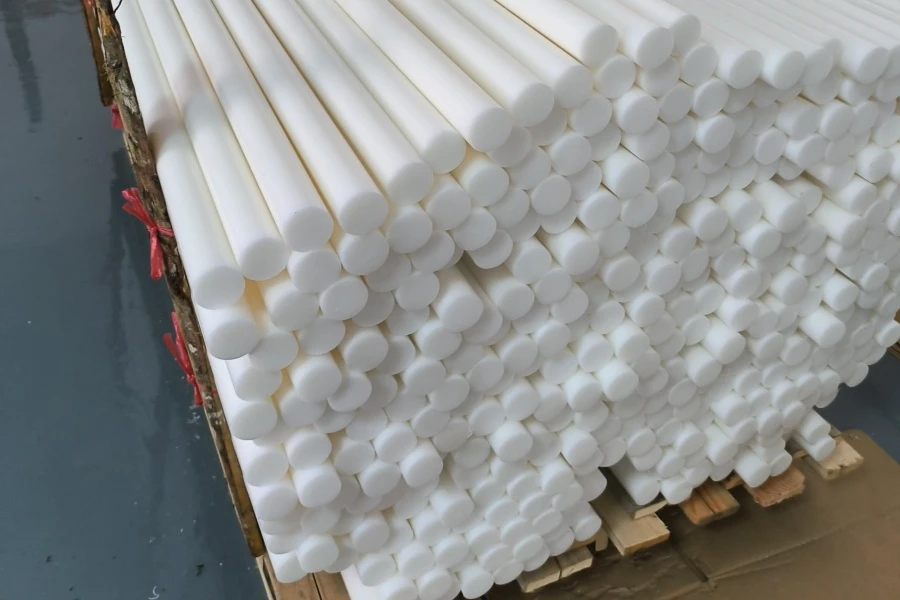
Seals & Rings
Machined profiles for selected fluid, temperature and wear conditions.
04 / GUIDING
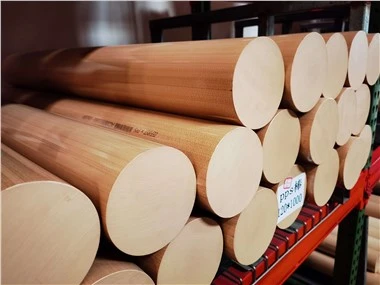
Guides & Rollers
Wear components for controlled movement in mechanisms and production equipment.
05 / ELECTRICAL
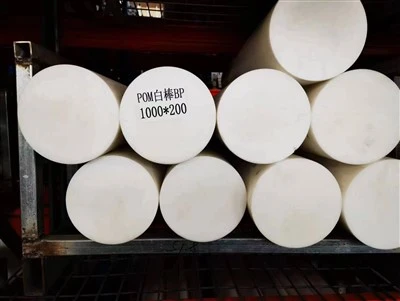
Insulators & Spacers
Electrical separation and structural positioning in selected assemblies.
06 / PRODUCTION
Assembly Fixtures
Nests, locators and handling components for automotive manufacturing equipment.
AUTOMOTIVE FAQ
Before Selecting a Material for an Automotive Part.
These answers provide general guidance. Final approval depends on the exact design, grade and applicable standards.
Which engineering plastics are commonly considered for automotive mechanical parts?
POM, PA6 and PET are common starting points for many mechanical components. PEEK and PPS may be evaluated where higher temperature, chemical resistance or performance is required.
Can engineering plastics replace metal in automotive parts?
They can replace metal in selected designs where load, temperature, wear, dimensional requirements and safety factors permit. The component designer must validate the complete application.
Which material properties matter for gears and bushings?
Wear resistance, friction, stiffness, fatigue, moisture absorption, temperature and mating-surface conditions should all be considered.
When should reinforced grades be evaluated?
Glass- or carbon-fiber reinforced grades may be evaluated when additional stiffness, strength or dimensional stability is needed. Their anisotropy, wear behavior and machining characteristics should also be reviewed.
What information is needed for an automotive material inquiry?
Please provide the drawing, component function, loads, speed, temperature, fluids, tolerances, required standards, stock dimensions, quantity and destination.