
BROWSE PRODUCTS BY MATERIAL
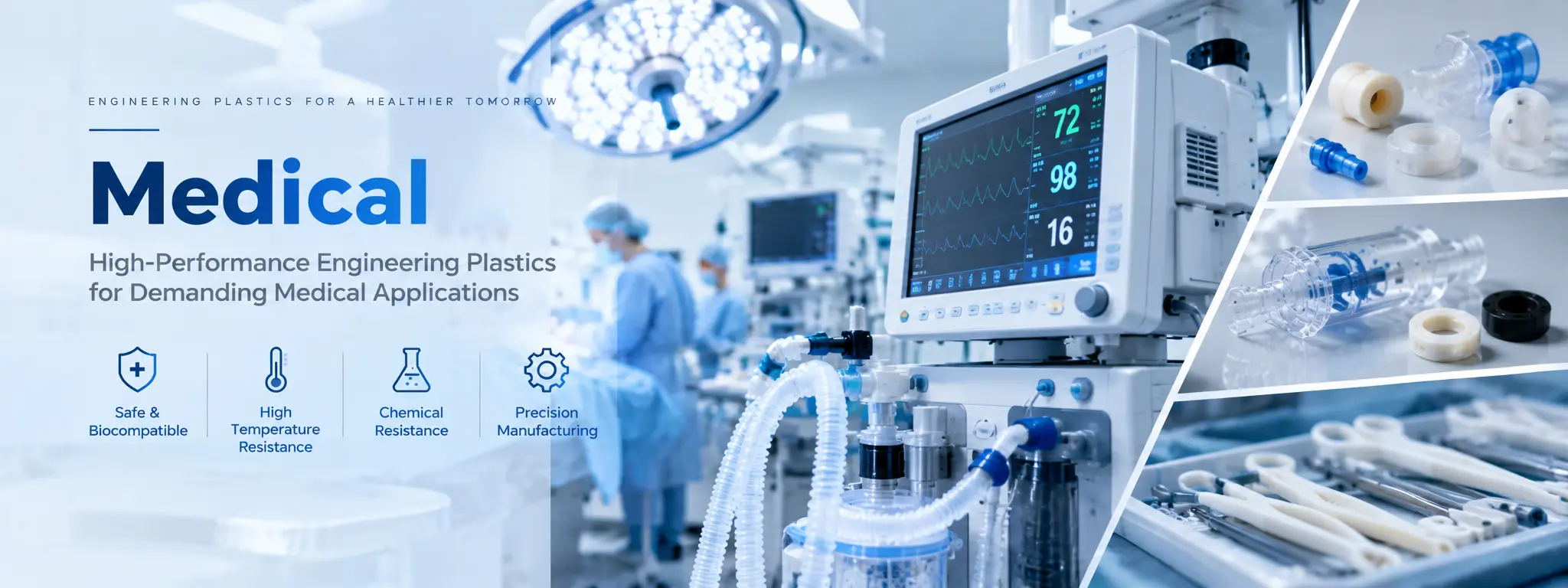

MATERIALS FOR CONTROLLED EQUIPMENT ENVIRONMENTS
Precision Stock Shapes for Equipment and Tooling.
Medical and laboratory equipment components may require dimensional stability, electrical insulation, chemical resistance, repeated cleaning or sterilization, low friction and accurate machining.
Engineering plastics can be evaluated for selected housings, guides, supports, fixtures, trays, insulators and mechanical components where their properties match the equipment design.
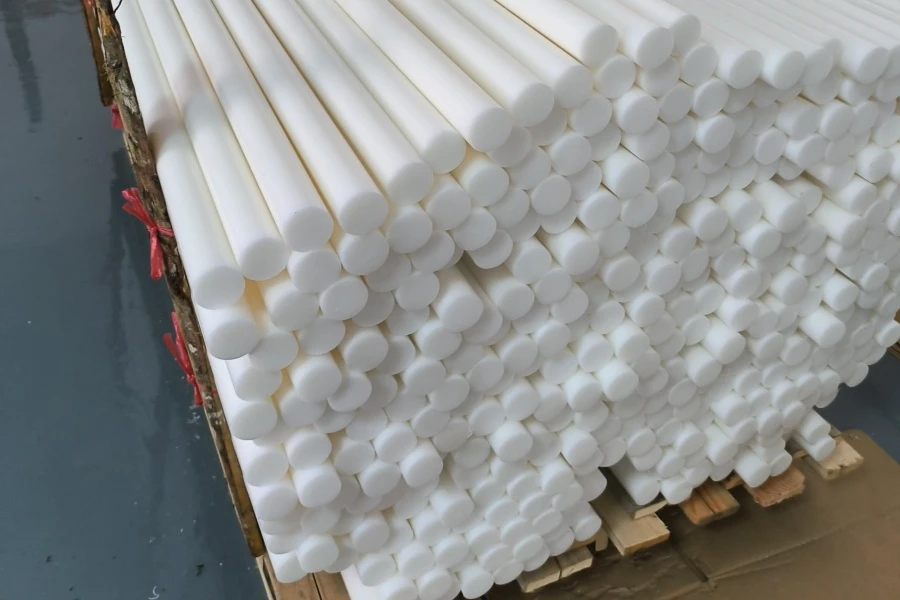
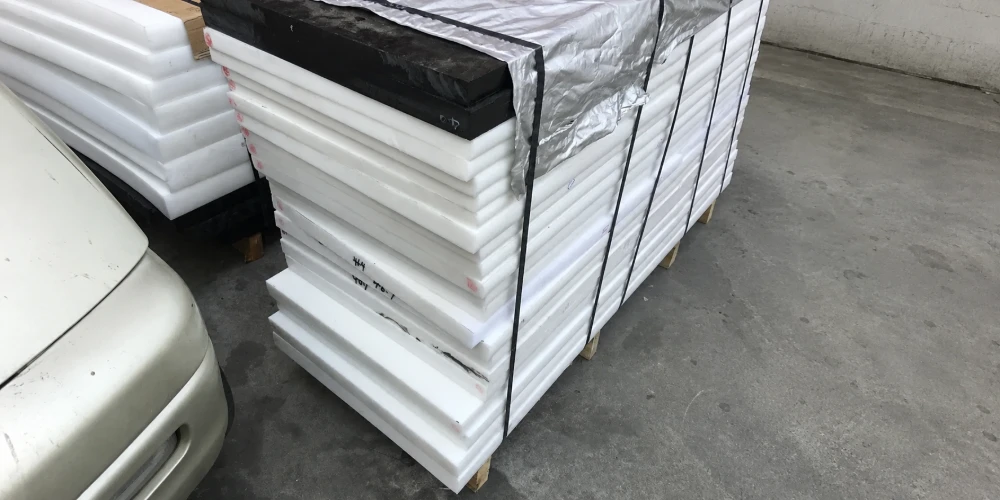
ZERO supplies semi-finished rods and sheets for further machining. Standard industrial stock does not automatically meet medical, biocompatibility or implant requirements. The exact grade and documentation must be approved for the intended use.
MEDICAL EQUIPMENT REQUIREMENTS
Properties That Require Exact Grade Verification.
The required material data changes with patient contact, cleaning method, sterilization cycle and equipment classification.
Precision Machinability
Support controlled features, smooth geometry and repeatable component dimensions.
Dimensional Stability
Maintain functional dimensions during service, cleaning and environmental changes.
Sterilization Compatibility
Verify resistance to the specified steam, chemical, radiation or other sterilization method.
Chemical Resistance
Evaluate cleaners, disinfectants, laboratory chemicals and process fluids.
Electrical Insulation
Provide dielectric separation in selected diagnostic and laboratory equipment.
Documentation & Traceability
Confirm exact grade identity, declarations and testing required by the device manufacturer.
TYPICAL COMPONENTS
Potential Components for Medical and Laboratory Equipment.
These examples are not approvals for patient contact or implantation. The device manufacturer must validate the exact material and part.

01 / MOTION
Guides & Wear Parts
Low-friction supports for selected moving equipment assemblies.
02 / ELECTRICAL
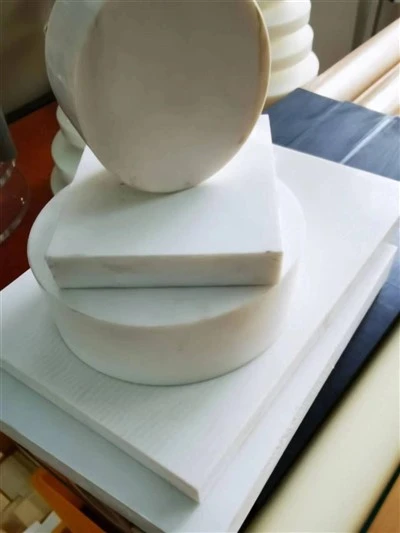
Insulators & Spacers
Electrical separation and structural positioning in equipment.
03 / LABORATORY
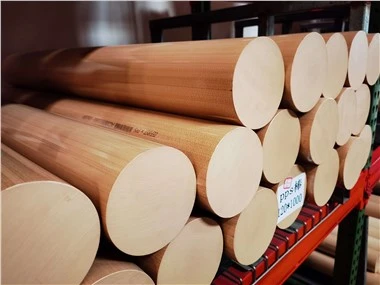
Laboratory Fixtures
Nests, holders and positioning parts for samples and equipment.
04 / HANDLING
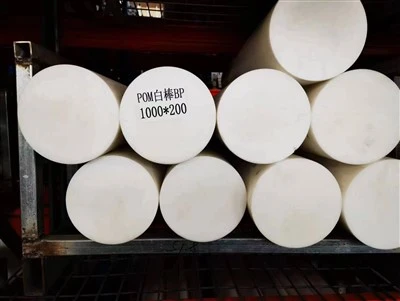
Trays & Holders
Reusable handling components when the grade suits the specified cleaning cycle.
05 / EQUIPMENT
Imaging Equipment Parts
Selected supports, covers and internal mechanical components.
06 / PRODUCTION
Manufacturing Tooling
Assembly fixtures, inspection nests and production aids for medical-device manufacturing.
MEDICAL APPLICATION FAQ
Before Selecting a Material for Medical Equipment.
These answers are general. Medical suitability must be confirmed for the exact grade, component and regulatory pathway.
Is every PEEK grade suitable for medical use or implantation?
No. Industrial, medical and implantable grades are different. Only an exact grade with appropriate supplier documentation and device-level validation can be considered for a specified medical use.
Can engineering plastic parts be repeatedly sterilized?
Some grades may tolerate selected sterilization methods, but performance depends on the method, temperature, chemical exposure, cycle count, stress and component design. Testing is required.
Can ZERO confirm biocompatibility from the polymer family name?
No. Biocompatibility is grade-specific and use-specific. Required testing, contact duration and regulatory documentation must be defined by the device manufacturer.
Which materials are commonly evaluated for medical equipment parts?
PEEK, PEI, PPS, POM and PET may be evaluated for different equipment and tooling applications. The correct option depends on cleaning, temperature, chemicals, mechanical requirements and documentation.
What information is needed for a medical equipment inquiry?
Please provide the drawing, contact classification, sterilization method, cleaning chemicals, service temperature, mechanical requirements, exact standards, documentation needs, stock dimensions and quantity.