
BROWSE PRODUCTS BY MATERIAL

INSULATION WITH STRUCTURAL PERFORMANCE
Precision Stock Shapes for Electrical Components.
Electrical and electronic assemblies often need components that combine dielectric separation with mechanical strength, dimensional stability, heat resistance and accurate machining.
Engineering plastics can be evaluated for insulators, terminal supports, coil formers, spacers, arc barriers, test fixtures and structural parts across power distribution, automation and electronic equipment.
ZERO supplies semi-finished rods and sheets for further machining. Electrical ratings, flame classifications and compliance depend on the exact material grade, thickness, test method and operating conditions.
ELECTRICAL PERFORMANCE REQUIREMENTS
Properties to Verify for the Exact Component.
Required values depend on voltage, frequency, part thickness, temperature, humidity, contamination level and applicable standards.
Dielectric Strength
Support electrical separation at the specified voltage, geometry and material thickness.
Insulation Resistance
Maintain high resistivity under the defined temperature, humidity and contamination conditions.
Thermal Stability
Retain useful dimensions and properties near coils, terminals and heat-generating devices.
Flame Performance
Confirm the exact grade, thickness and test classification required by the equipment design.
Arc & Tracking Resistance
Evaluate surface behavior where arcing, creepage or conductive contamination may occur.
Dimensional Stability
Hold critical clearances, mounting locations and machined features during service.
TYPICAL COMPONENTS
Machined Parts for Electrical and Electronic Systems.
Final material selection must reflect the electrical design, operating environment, standards and component geometry.
01 / INSULATION
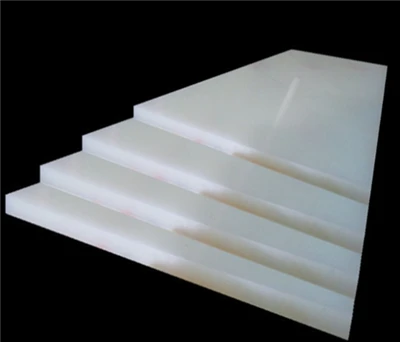
Insulators & Bushings
Machined isolation and support parts for selected voltage and load conditions.
02 / CONNECTION
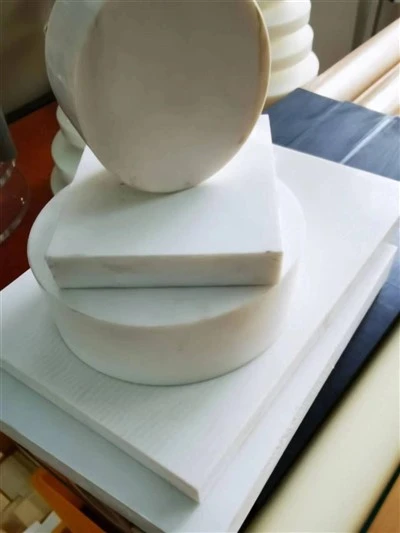
Terminal Supports
Rigid positioning components for conductors, terminals and connection assemblies.
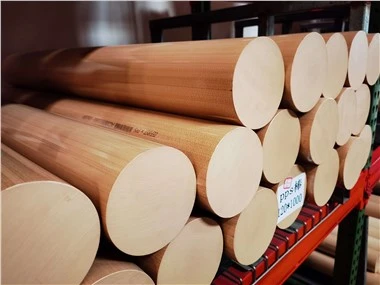
03 / WINDING
Coil Formers & Bobbins
Insulating structures for selected coils, sensors and electromagnetic assemblies.
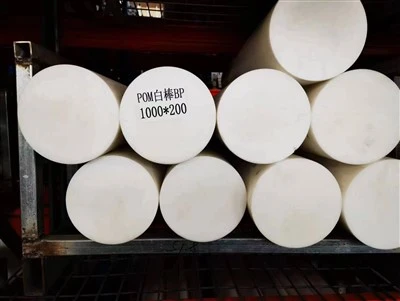
04 / PROTECTION
Arc Barriers & Shields
Protective separation parts in switchgear and power-control equipment.
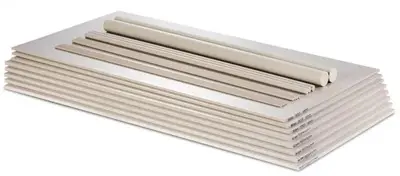
05 / POSITIONING
Spacers & Standoffs
Accurate spacing and mechanical support for electrical assemblies.
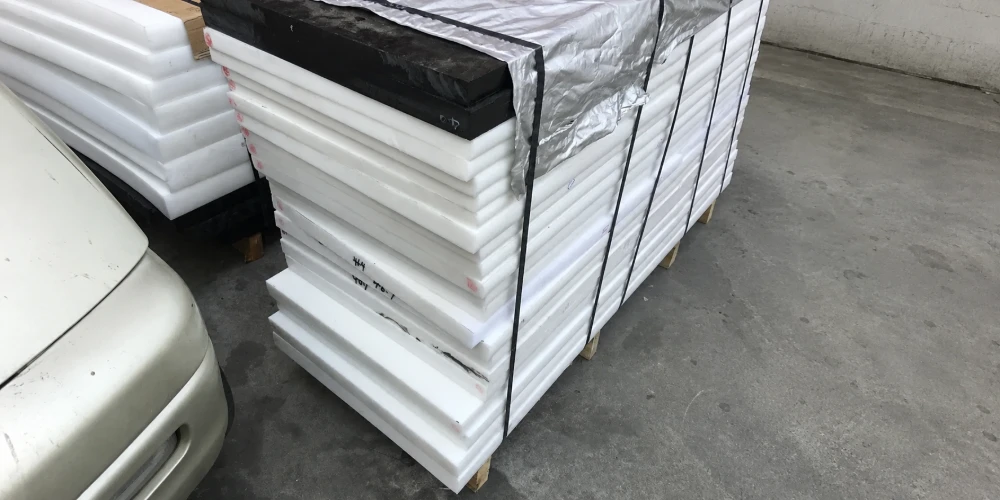
06 / TESTING
Test Fixtures & Nests
Machinable insulating platforms for assembly, inspection and electrical testing.
ELECTRICAL APPLICATION FAQ
Before Selecting an Electrical Insulation Material.
These answers are general. Use the exact grade datasheet and applicable equipment standard for final validation.
Which engineering plastics provide electrical insulation?
PEEK, PPS, PEI, PTFE, POM and other grades can provide electrical insulation in different conditions. The correct choice depends on voltage, frequency, temperature, humidity, geometry, mechanical load and required approvals.
Is dielectric strength a fixed value for a polymer family?
No. Test method, specimen thickness, conditioning, temperature and exact formulation affect the reported value. Use grade-specific data under conditions relevant to the component.
Does every grade have the same flame classification?
No. Flame ratings are specific to the exact grade and tested thickness. Color, reinforcement and other formulation changes may also matter. Verify current supplier documentation.
What matters for parts used near coils or power electronics?
Consider continuous and peak temperature, heat aging, dielectric behavior, thermal expansion, mechanical stress, creepage, clearance and possible exposure to oils, coolants or cleaning chemicals.
What information is needed for an electrical component inquiry?
Please provide the drawing, voltage and frequency, operating temperature, environment, mechanical load, required electrical or flame classification, stock dimensions, tolerance and quantity.